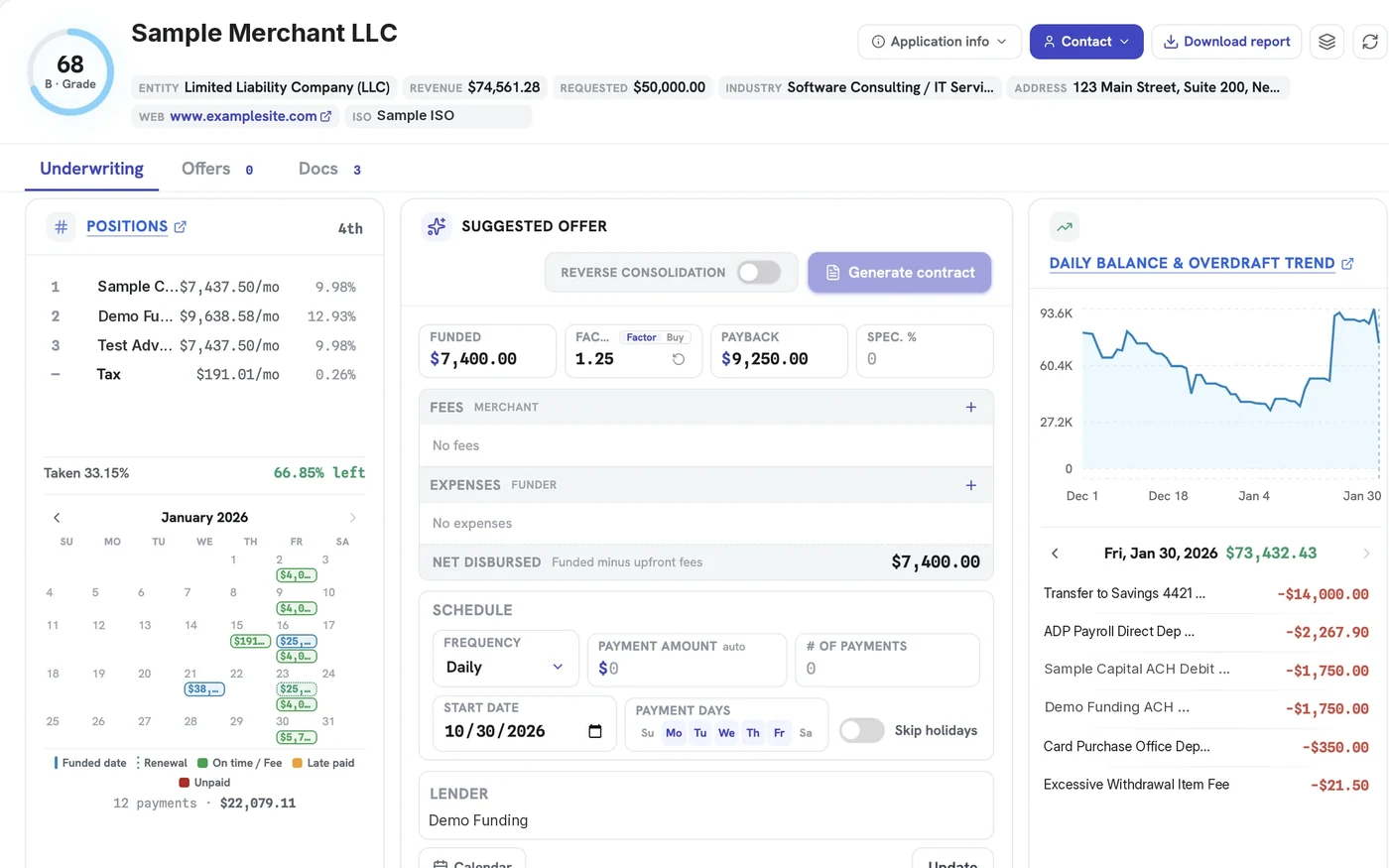
Statement parsing
Bank statements read automatically, no retyping.
Funders, software and service providers across the MCA industry.
Tell us about your shop and we’ll reply within one business day.
We run the books and taxes behind your funding operation, from the first deal to year-end filings.
Clean numbers you can hand to your investors, your syndicators and your CPA.
On a free call, we look at your books, bank accounts and CRM, then confirm how many hours a week your book needs.
We get access to your CRM, bank, ACH system and QuickBooks, and learn how your shop runs.
Daily entries and payments, a monthly close with reports, and year-end taxes, on a set schedule.
| 40+ hours On site option free of charge | $60 |
| 30–39 hours | $63 |
| 25–29 hours | $65 |
| 20–24 hours | $70 |
| 15–19 hours | $75 |
| 11–14 hours | $80 |
| 6–10 hours | $85 |
| 0–5 hours | $90 |
| Review / manager hours | $120 |
| Sales tax, bookkeeping client | $175 |
| Sales tax, non-bookkeeping client | $325 |
| Business year-end taxes | from $1,950 |
| Business year-end taxes, 1 partner | from $2,350 |
| Each additional partner | from $275 |
| Personal year-end taxes | from $350 |
| Full-year write-up (previous year) | from $1,900 |
| Partner / manager consulting, hourly | from $350 / $275 |
| State and federal notices / audit, hourly | $115 |
| Corporation formation | from $600 |
| Cash analysis | $2,000 ($1,000–$4,000) |
“From” prices are starting prices. The final price depends on the size and complexity of the work.
When you work with BAS, real people who know MCA keep your books, not a black box. Here’s the team.




Book a free consultation and we’ll confirm your weekly hours and your rate.
Our team handles the books behind your funding operation, from the first payment on a deal to the last syndicator payout.
We bill bookkeeping by the hour. The more weekly hours your book needs, the lower your rate.
Your rate is set by the total bookkeeping hours you use each week.
Bookkeeping is billed hourly, from $60 to $90 an hour. Tax and business services are priced per service.
Book a free consultation and we’ll confirm your weekly hours and your rate.
AI reads every bank statement, scores the deal against your box, and tracks it to payoff.
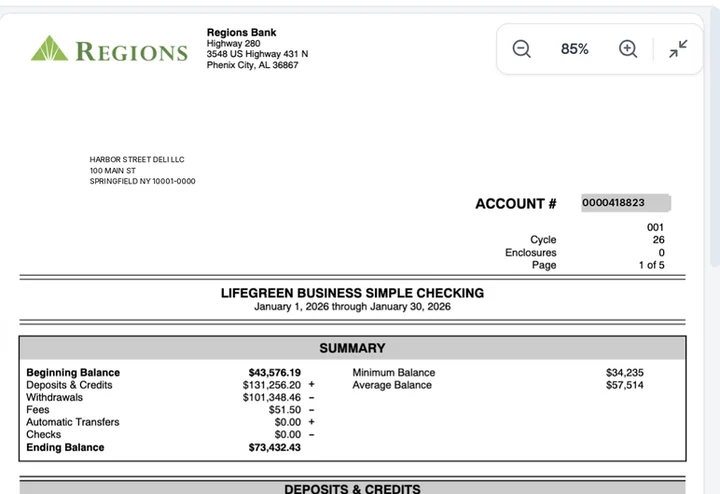
Bank statements are parsed automatically. Each file is then scored, graded and matched with an offer using the criteria you set in your account.
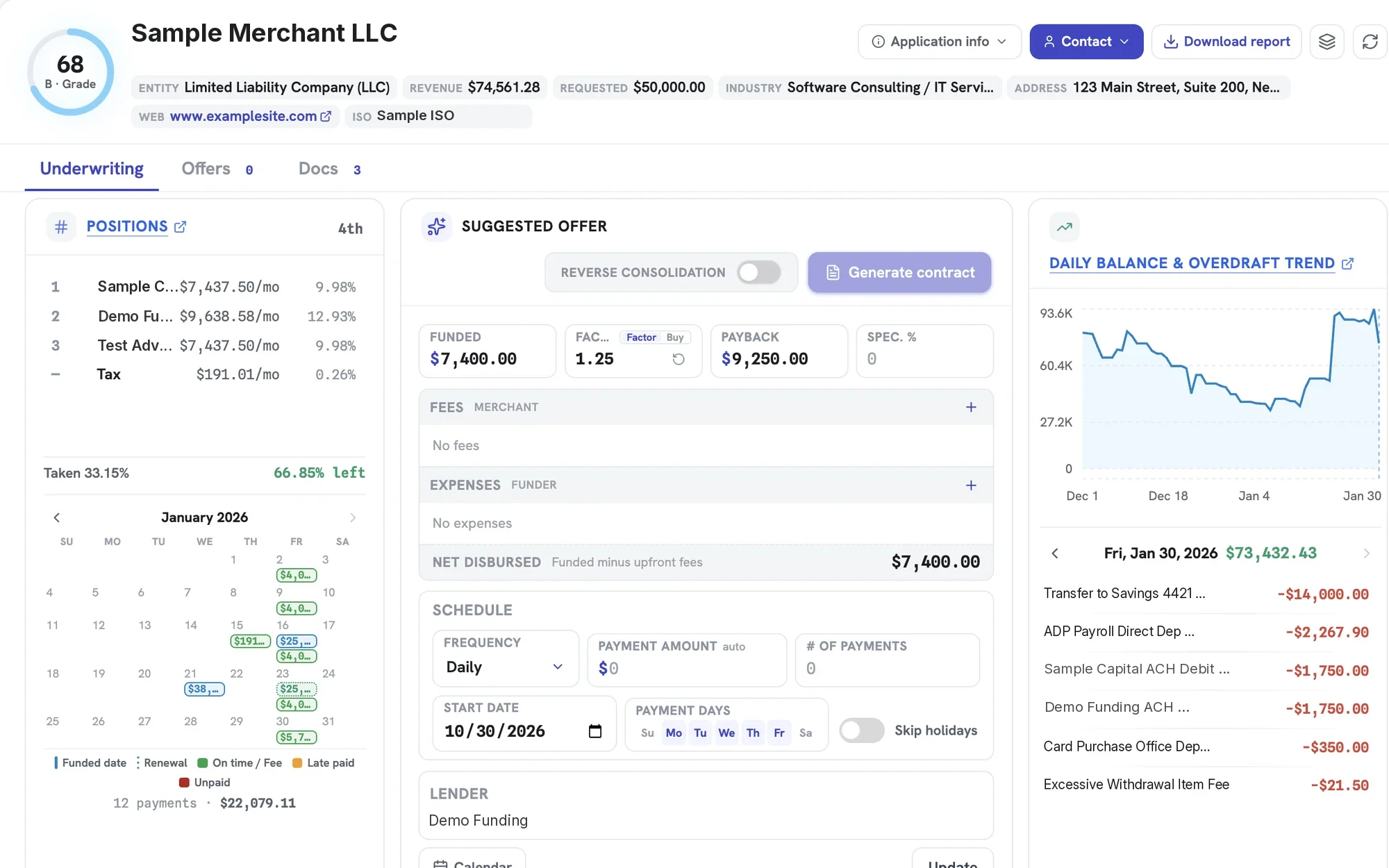
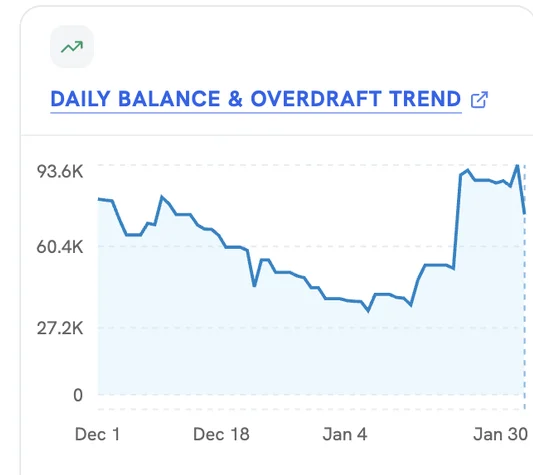
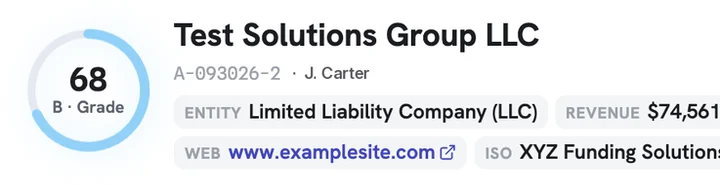
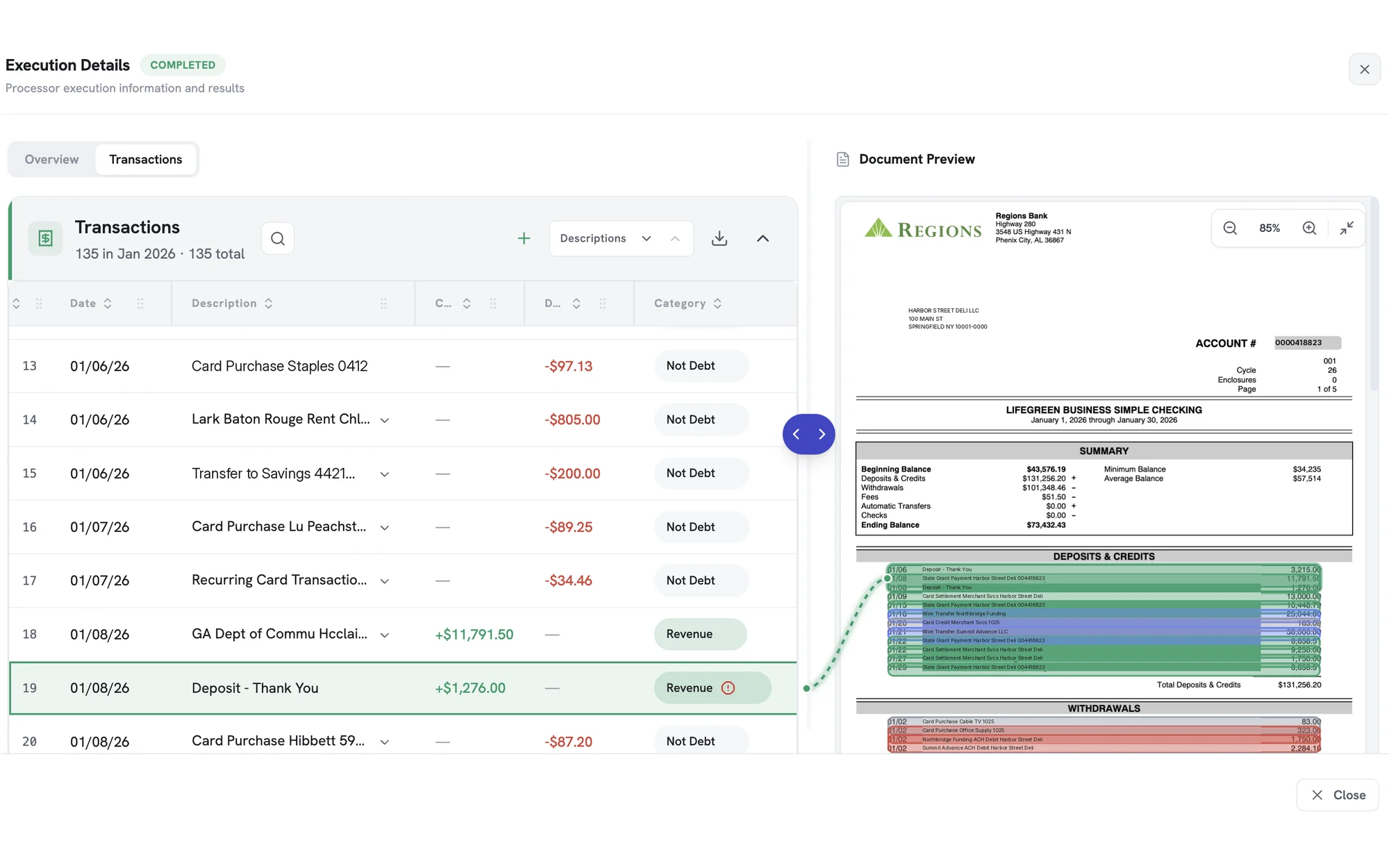
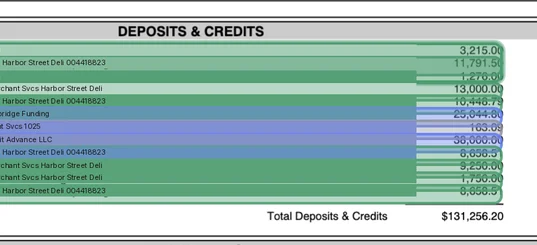
Every parsed transaction is traced back to its line on the bank statement, so you can check the numbers yourself.
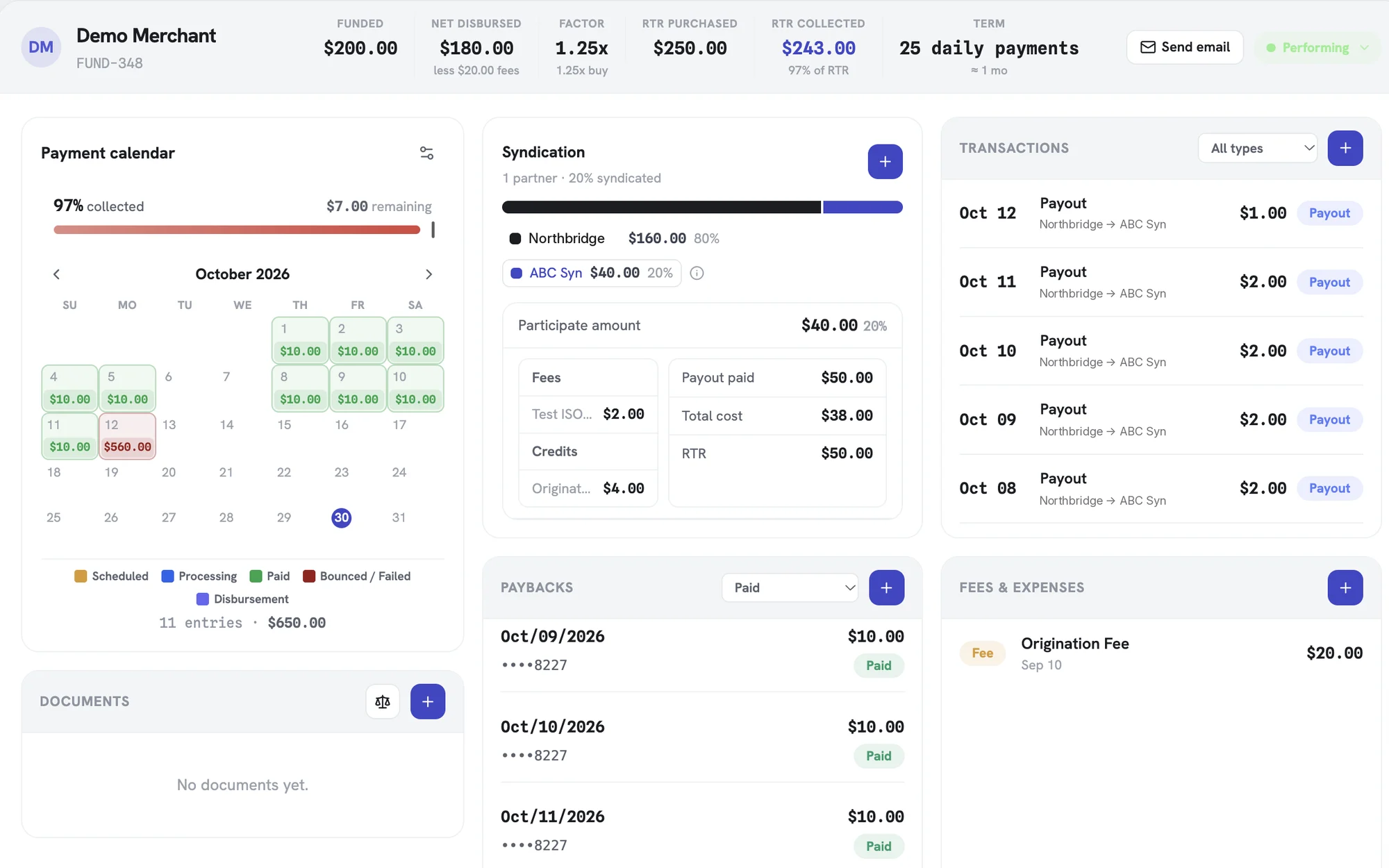
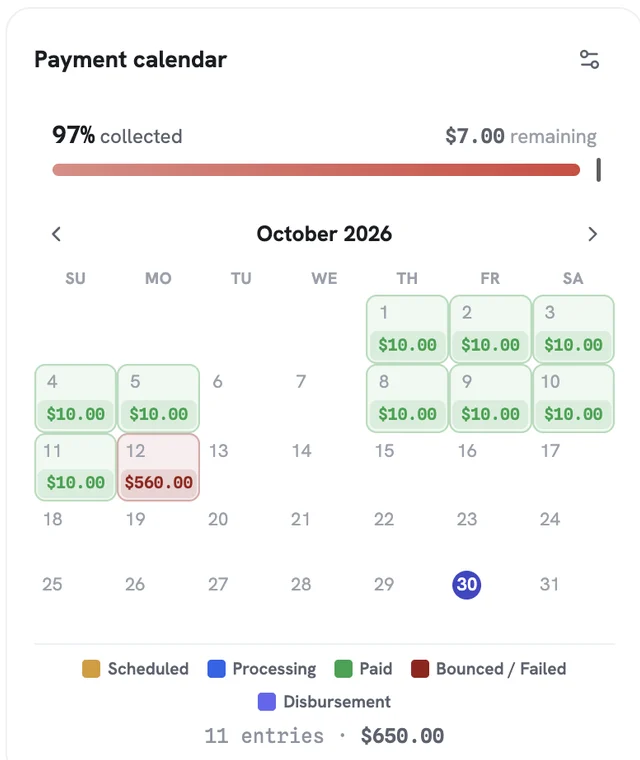
Payment calendar, syndication, paybacks and fees for each deal after it funds.
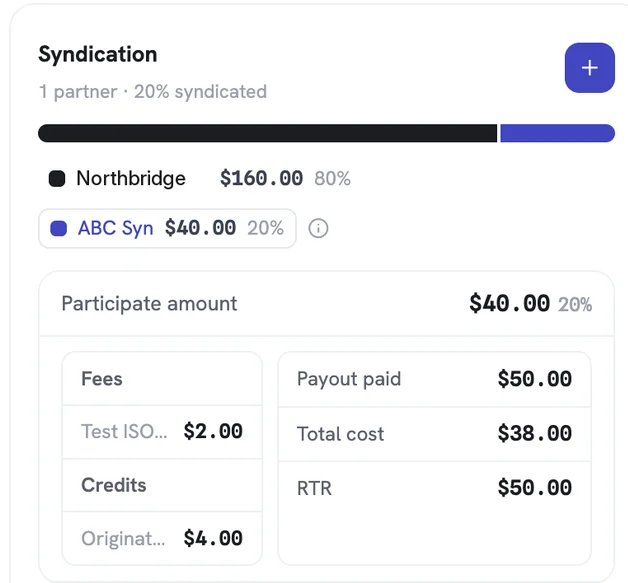
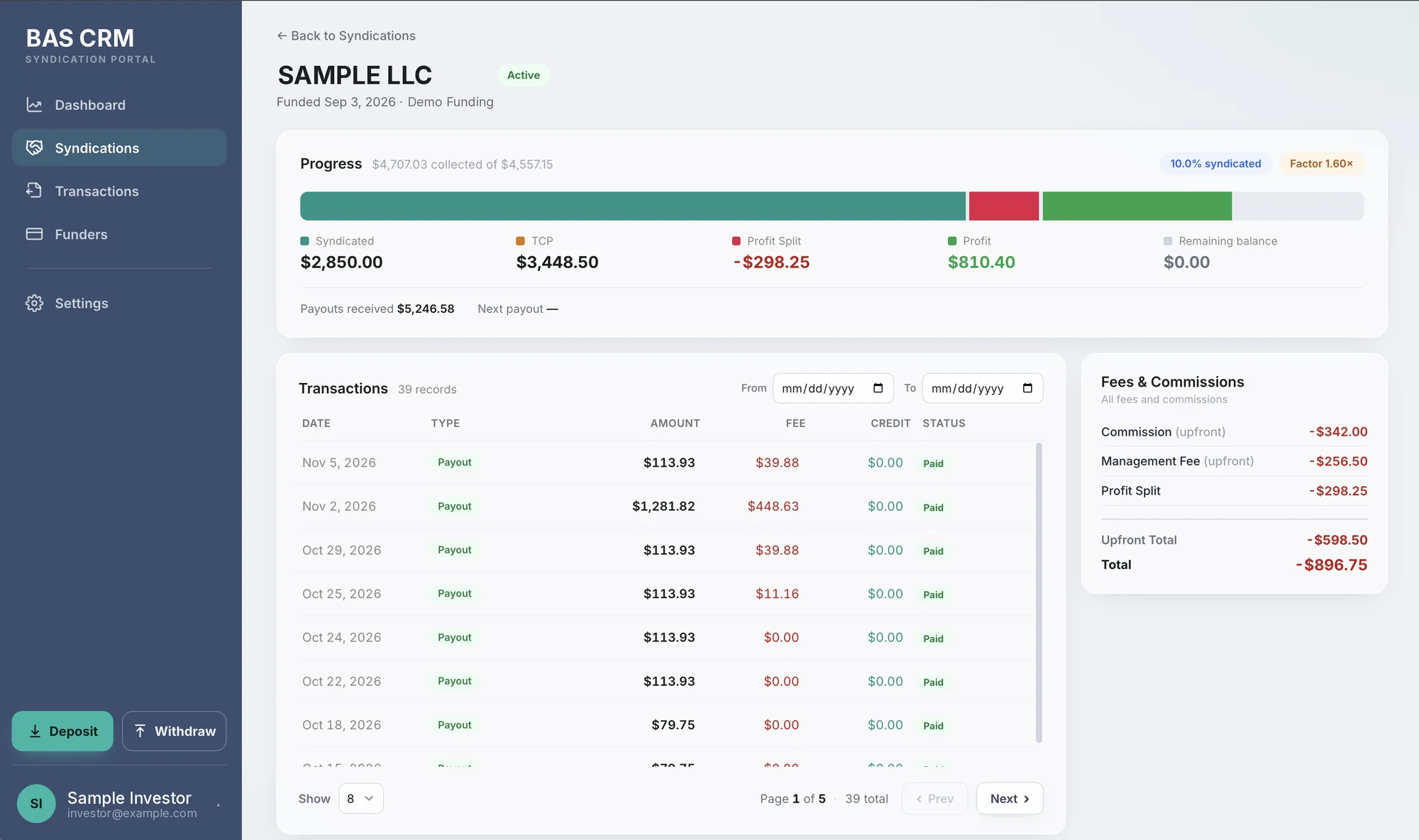
Each syndicator gets their own portal with deal progress, payouts, fees and every transaction.
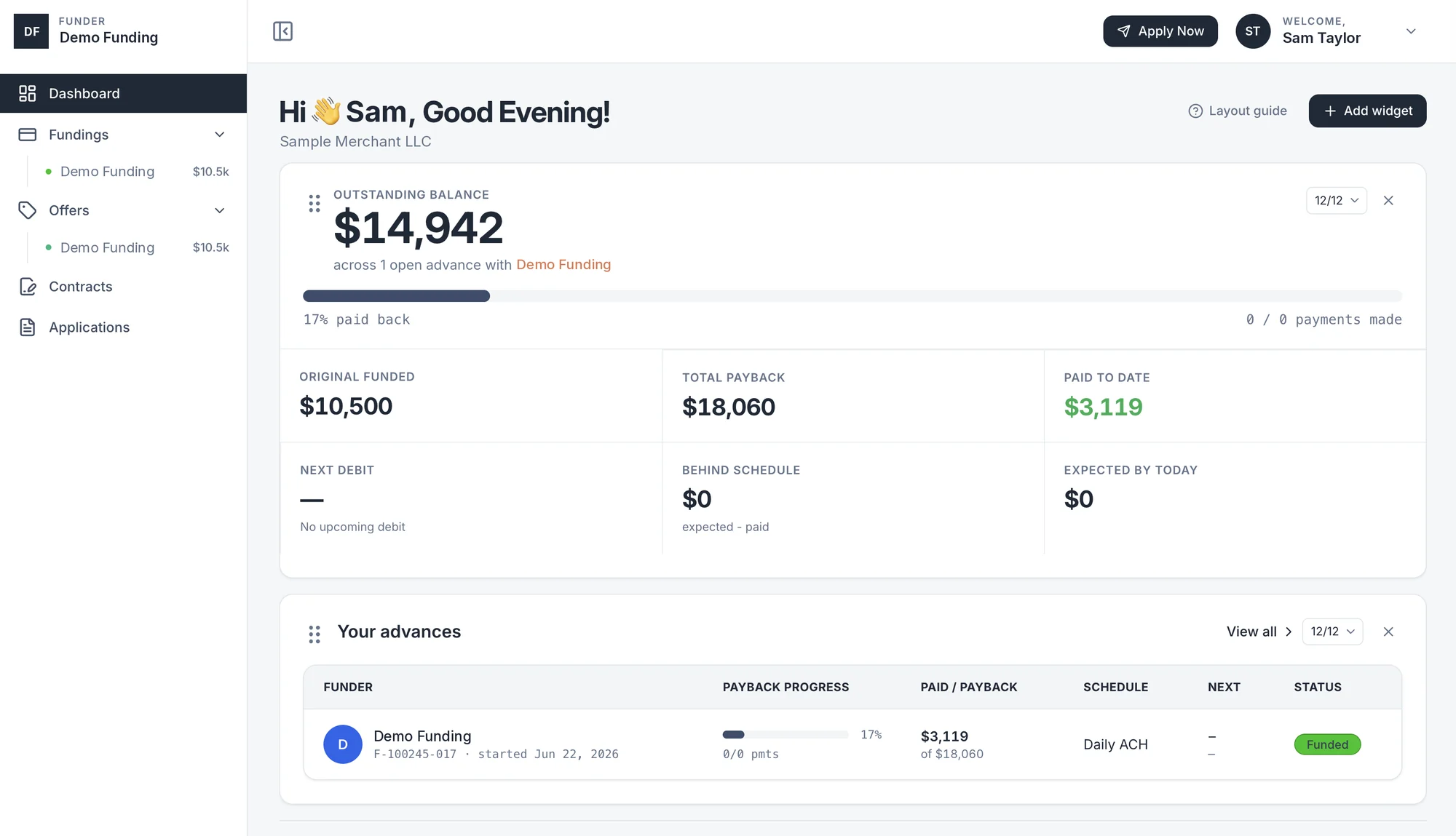
Each merchant gets a portal with their balance, payback progress, contracts and offers, so fewer calls come to your team.
Bank statements are parsed automatically, and every transaction is traced back to its line on the statement.
Each file is scored, graded and matched with an offer using the criteria you set in your account.
After funding, the payment calendar, syndication, paybacks and fees are tracked on every deal.
Bank statements read automatically, no retyping.
Every file scored against your own funding box.
Matched with an offer from the criteria you set.
Each parsed transaction traced to its statement line.
Every funded deal’s payments, day by day.
Participants, paybacks and fees on each deal.
Book a demo and we’ll walk you through it.
BAS CRM works with these payment, banking, underwriting and communication tools, and checks the public records funders rely on.
Product names and trademarks belong to their owners. Public-record sources are data sources BAS CRM checks, not partners.
Bookkeeping is billed by the hour, and your rate drops as your weekly hours grow. Tax and business services are priced per service.
| 40+ hours On site option free of charge | $60 |
| 30–39 hours | $63 |
| 25–29 hours | $65 |
| 20–24 hours | $70 |
| 15–19 hours | $75 |
| 11–14 hours | $80 |
| 6–10 hours | $85 |
| 0–5 hours | $90 |
| Review / manager hours | $120 |
| Sales tax, bookkeeping client | $175 |
| Sales tax, non-bookkeeping client | $325 |
| Business year-end taxes | from $1,950 |
| Business year-end taxes, 1 partner | from $2,350 |
| Each additional partner | from $275 |
| Personal year-end taxes | from $350 |
| Full-year write-up (previous year) | from $1,900 |
| Partner / manager consulting, hourly | from $350 / $275 |
| State and federal notices / audit, hourly | $115 |
| Corporation formation | from $600 |
| Cash analysis | $2,000 ($1,000–$4,000) |
“From” prices are starting prices. The final price depends on the size and complexity of the work.
Book a call and we’ll review your book and tell you which services and hours fit.
MCA industry insight, bookkeeping and accounting advice, and plain-English tax guides from the BAS team.
MCA insight, bookkeeping tips and tax guides from the BAS team, straight to your inbox.
Most MCA companies that fail do not do so dramatically. They erode. The founder looks back after eighteen months and wonders how a business with so much early momentum ended up struggling for liquidity and chasing syndicator trust it somehow lost. Half its energy goes toward untangling records that should have been clean from the start. The answer is almost never a single catastrophic decision. It is a sequence of small ones, each reasonable in isolation, that compound into structural weakness.
I think of a young funder in New Jersey who reviewed his first ten funded deals about three months in. Several merchants were falling behind at nearly the same point in their terms. His underwriting notes, scattered between email threads and a spreadsheet he kept meaning to organize, offered no explanation. Nothing was broken exactly. But nothing lined up either. He had volume. He had brokers sending files daily. He had energy. What he did not have was a process that could teach him anything. The warning signs were already there, small and easy to dismiss, expensive to ignore.
This is how early lessons arrive. Not as crises, but as patterns that take shape slowly and reveal themselves only in hindsight.
The most common early mistake is stretching advances to win deals. A new funder feels pressure to grow, to prove they belong in the market. A merchant asks for more than the bank statements justify. A broker insists the file is clean, that steady work is lined up for next month, that the deal will perform. The funder approves the higher amount, reasoning that a larger fee compensates for the added risk. Weeks later, repayment starts slipping. By the time the weakness becomes undeniable, the funder realizes the pricing never reflected reality. This does not happen once. It happens across a dozen files, each approved with the same hopeful logic. Stretching becomes a quiet bleed on cash flow that can destabilize a young portfolio before anyone fully understands what went wrong.
Reserves present a related trap. Many funders hear performance benchmarks from brokers or peers and assume their own book will behave similarly. They reserve lightly because they want capital moving, or because early merchants seem stable. Then the first real default arrives, followed quickly by two more. The funder scrambles to cover obligations from operating cash, and suddenly the business has no cushion. Adequate reserves are not pessimism. They are acknowledgment that early portfolios behave unpredictably. A new company must protect itself long enough to learn the patterns unique to its own underwriting. That learning takes time, and time requires liquidity.
Syndicator relationships suffer their own form of neglect. Many companies treat outside capital as fuel, assuming the relationship will sustain itself as long as returns look acceptable. Reporting gets delayed because the funder is busy elsewhere. A few numbers fail to reconcile, and the explanation comes later, once there is time. A question sits unanswered for days because the team is stretched thin. None of this feels catastrophic in the moment. But syndicators notice. They remember which funders communicate clearly and which require chasing. A company that cannot deliver timely, organized information will struggle to attract the deeper commitments that make real scaling possible. Trust, once damaged, rebuilds slowly.
Recordkeeping is another early fragility, and perhaps the most underestimated. Companies store documents wherever convenient. Underwriting notes live partly in one CRM field, partly in a manager’s notebook, partly in an email thread nobody can find. Bank statements get downloaded twice under slightly different names. Merchant calls get logged sporadically or not at all. This scatter creates a version of the portfolio that cannot be reconstructed when questions arise. When a renewal decision needs context, or a payment dispute requires history, the funder spends more time searching than thinking. The real cost is not inconvenience. It is the loss of insight. Without organized records, the business cannot learn from its own decisions. It repeats mistakes because it cannot see them.
A subtler confusion appears around accounting itself. Early funders often rely on a basic bookkeeping setup that captures revenue and expenses for tax purposes but reveals nothing about deal-level behavior. They know how much was deposited in their account last month but they don’t know how much they have actually earned. They do not know how much came from renewals versus new advances. They cannot see aging by cohort or measure actual recovery on RTR. This blindness forces leadership to operate on instinct precisely when the business needs measurement. Tax accounting satisfies the IRS. Performance accounting informs the funder. They are not the same thing, and treating them as interchangeable is a mistake that catches up with everyone eventually. At Better Accounting Solutions, we see this confusion regularly across companies at all stages, and it is one of the most correctable problems a company can have once they recognize the distinction.
Manual processes create their own problems. A new funder typically handles underwriting, approvals, and collections all on their own. While volume remains small, this works well enough. When growth accelerates, the lack of automation creates bottlenecks nobody anticipated. Payments get entered inconsistently. Renewal dates slip. Collections follow-up happens later than it should because attention is elsewhere. Automation is not about removing human judgment. It is about preventing predictable errors and preserving time for decisions that actually require thought. A company that waits too long to automate finds itself perpetually behind its own workload, reacting instead of directing.
Internal communication frays in predictable ways. In the early months, everyone assumes mutual understanding. An underwriter mentions a concern casually, expecting the broker to remember. A collector flags a struggling merchant without copying the person handling renewals. Leadership assumes processes are clear because the team is small and motivated. As volume increases, these assumptions collapse. Files pass between hands without context. Merchants receive contradictory messages. Renewals go out to customers whose repayment problems were never properly documented. Misalignment produces errors that compound quietly until they become visible as losses.
There is also a tendency for growing companies to chase volume without asking whether the volume fits their identity. A broker steers them toward certain merchant types because those deals are easier to place. The funder accepts, thinking refinement can come later. Soon the portfolio fills with merchants whose cash flow patterns the funder never intended to specialize in and does not fully understand. Course correction grows difficult. A successful MCA company chooses its portfolio deliberately. Companies that let the market dictate their mix often end up managing risks they never planned to carry.
Avoiding these mistakes does not require slowing down. It requires shifting from improvisation to intention. The early months of an MCA company can be both energetic and disciplined. Strong companies grow quickly while pricing risk honestly, rather than optimistically. They communicate with syndicators as though every interaction affects future capacity, because it does. They build recordkeeping habits that allow decisions to be understood weeks or months later. They create performance reports that reveal the truth of the business even when the truth is uncomfortable. They automate early so people can think instead of chase.
A company that adopts this mindset gains more than stability. It gains clarity. It learns quickly which brokers bring consistent files and which bring chaos. It sees which underwriting patterns produce reliable merchants and which produce headaches. It discovers which segments renew and which vanish after one cycle. That clarity becomes confidence. Instead of guessing what next month holds, leadership understands why the portfolio behaves the way it does.
The early years set the character of the business. They determine whether growth happens under control or in crisis. Companies that take early structure seriously build foundations that can support scale. They do not fear velocity because they understand it. They do not scramble for liquidity because reserves were planned properly. They do not lose partners because communication stayed steady. And they do not spend their future cleaning up their past.
No MCA company avoids every mistake. The goal is avoiding the predictable ones. The first years offer a choice: chase speed and let structure catch up later, or build habits that make growth sustainable from the start. Companies that choose structure rarely regret it. They discover, often sooner than expected, that clarity is the real competitive advantage.
David Roitblat is the founder and CEO of Better Accounting Solutions, an accounting firm based in New York City, and a leading authority in specialized accounting for merchant cash advance companies. To connect with David or schedule a call about working with Better Accounting Solutions, email [email protected].
We’re so happy you found this article informative! Head back to our blog page to learn more tips, tricks, and guidance on accounting to maximize your business’s growth and development.
Book a call or send a message. We reply within one business day.
Tell us about your shop and we’ll reply with next steps.
Effective date: April 23, 2021
Better Accounting Solutions ("us", "we", or "our") operates the https://betteraccountingsolutions.com website (hereinafter referred to as the "Service").
This page informs you of our policies regarding the collection, use, and disclosure of personal data when you use our Service and the choices you have associated with that data.
We use your data to provide and improve the Service. By using the Service, you agree to the collection and use of information in accordance with this policy. Unless otherwise defined in this Privacy Policy, the terms used in this Privacy Policy have the same meanings as in our Terms and Conditions, accessible from https://betteraccountingsolutions.com
We collect several different types of information for various purposes to provide and improve our Service to you.
We do not sell your data under any circumstance.
While using our Service, we may ask you to provide us with certain personally identifiable information that can be used to contact or identify you ("Personal Data"). Personally identifiable information may include, but is not limited to:
We may also collect information on how the Service is accessed and used ("Usage Data"). This Usage Data may include information such as your computer's Internet Protocol address (e.g. IP address), browser type, browser version, the pages of our Service that you visit, the time and date of your visit, the time spent on those pages, unique device identifiers and other diagnostic data.
We use cookies and similar tracking technologies to track the activity on our Service and hold certain information.
Cookies are files with small amount of data which may include an anonymous unique identifier. Cookies are sent to your browser from a website and stored on your device. Tracking technologies also used are beacons, tags, and scripts to collect and track information and to improve and analyze our Service.
You can instruct your browser to refuse all cookies or to indicate when a cookie is being sent. However, if you do not accept cookies, you may not be able to use some portions of our Service. You can learn more how to manage cookies in the Browser Cookies Guide.
Examples of Cookies we use:
Better Accounting Solutions uses the collected data for various purposes:
Your information, including Personal Data, may be transferred to — and maintained on — computers located outside of your state, province, country or other governmental jurisdiction where the data protection laws may differ than those from your jurisdiction.
If you are located outside United States and choose to provide information to us, please note that we transfer the data, including Personal Data, to United States and process it there.
Your consent to this Privacy Policy followed by your submission of such information represents your agreement to that transfer.
Better Accounting Solutions will take all steps reasonably necessary to ensure that your data is treated securely and in accordance with this Privacy Policy and no transfer of your Personal Data will take place to an organization or a country unless there are adequate controls in place including the security of your data and other personal information.
Better Accounting Solutions may disclose your Personal Data in the good faith belief that such action is necessary to:
The security of your data is important to us, but remember that no method of transmission over the Internet, or method of electronic storage is 100% secure. While we strive to use commercially acceptable means to protect your Personal Data, we cannot guarantee its absolute security.
We may employ third party companies and individuals to facilitate our Service ("Service Providers"), to provide the Service on our behalf, to perform Service-related services or to assist us in analyzing how our Service is used.
These third parties have access to your Personal Data only to perform these tasks on our behalf and are obligated not to disclose or use it for any other purpose.
Our Service may contain links to other sites that are not operated by us. If you click on a third party link, you will be directed to that third party's site. We strongly advise you to review the Privacy Policy of every site you visit.
We have no control over and assume no responsibility for the content, privacy policies or practices of any third party sites or services.
Our Service does not address anyone under the age of 18 ("Children").
We do not knowingly collect personally identifiable information from anyone under the age of 18. If you are a parent or guardian and you are aware that your Children has provided us with Personal Data, please contact us. If we become aware that we have collected Personal Data from children without verification of parental consent, we take steps to remove that information from our servers.
We may update our Privacy Policy from time to time. We will notify you of any changes by posting the new Privacy Policy on this page.
We will let you know via email and/or a prominent notice on our Service, prior to the change becoming effective and update the "effective date" at the top of this Privacy Policy.
You are advised to review this Privacy Policy periodically for any changes. Changes to this Privacy Policy are effective when they are posted on this page.
If you have any questions about this Privacy Policy, please contact us: