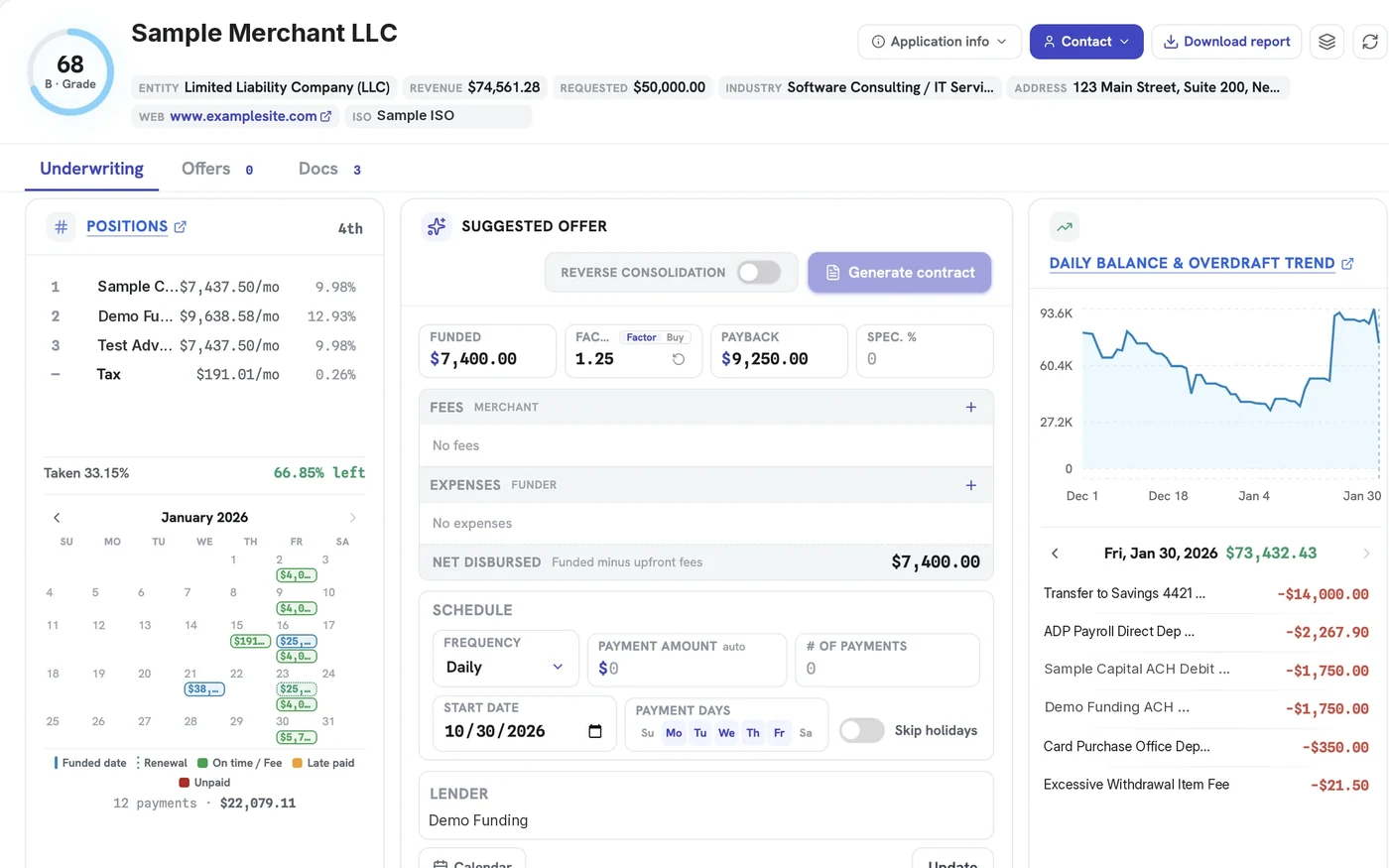
Statement parsing
Bank statements read automatically, no retyping.
Funders, software and service providers across the MCA industry.
Tell us about your shop and we’ll reply within one business day.
We run the books and taxes behind your funding operation, from the first deal to year-end filings.
Clean numbers you can hand to your investors, your syndicators and your CPA.
On a free call, we look at your books, bank accounts and CRM, then confirm how many hours a week your book needs.
We get access to your CRM, bank, ACH system and QuickBooks, and learn how your shop runs.
Daily entries and payments, a monthly close with reports, and year-end taxes, on a set schedule.
| 40+ hours On site option free of charge | $60 |
| 30–39 hours | $63 |
| 25–29 hours | $65 |
| 20–24 hours | $70 |
| 15–19 hours | $75 |
| 11–14 hours | $80 |
| 6–10 hours | $85 |
| 0–5 hours | $90 |
| Review / manager hours | $120 |
| Sales tax, bookkeeping client | $175 |
| Sales tax, non-bookkeeping client | $325 |
| Business year-end taxes | from $1,950 |
| Business year-end taxes, 1 partner | from $2,350 |
| Each additional partner | from $275 |
| Personal year-end taxes | from $350 |
| Full-year write-up (previous year) | from $1,900 |
| Partner / manager consulting, hourly | from $350 / $275 |
| State and federal notices / audit, hourly | $115 |
| Corporation formation | from $600 |
| Cash analysis | $2,000 ($1,000–$4,000) |
“From” prices are starting prices. The final price depends on the size and complexity of the work.
When you work with BAS, real people who know MCA keep your books, not a black box. Here’s the team.




Book a free consultation and we’ll confirm your weekly hours and your rate.
Our team handles the books behind your funding operation, from the first payment on a deal to the last syndicator payout.
We bill bookkeeping by the hour. The more weekly hours your book needs, the lower your rate.
Your rate is set by the total bookkeeping hours you use each week.
Bookkeeping is billed hourly, from $60 to $90 an hour. Tax and business services are priced per service.
Book a free consultation and we’ll confirm your weekly hours and your rate.
AI reads every bank statement, scores the deal against your box, and tracks it to payoff.
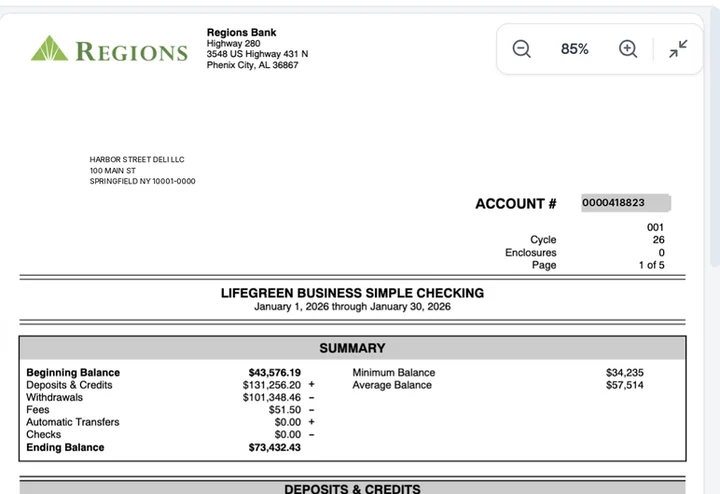
Bank statements are parsed automatically. Each file is then scored, graded and matched with an offer using the criteria you set in your account.
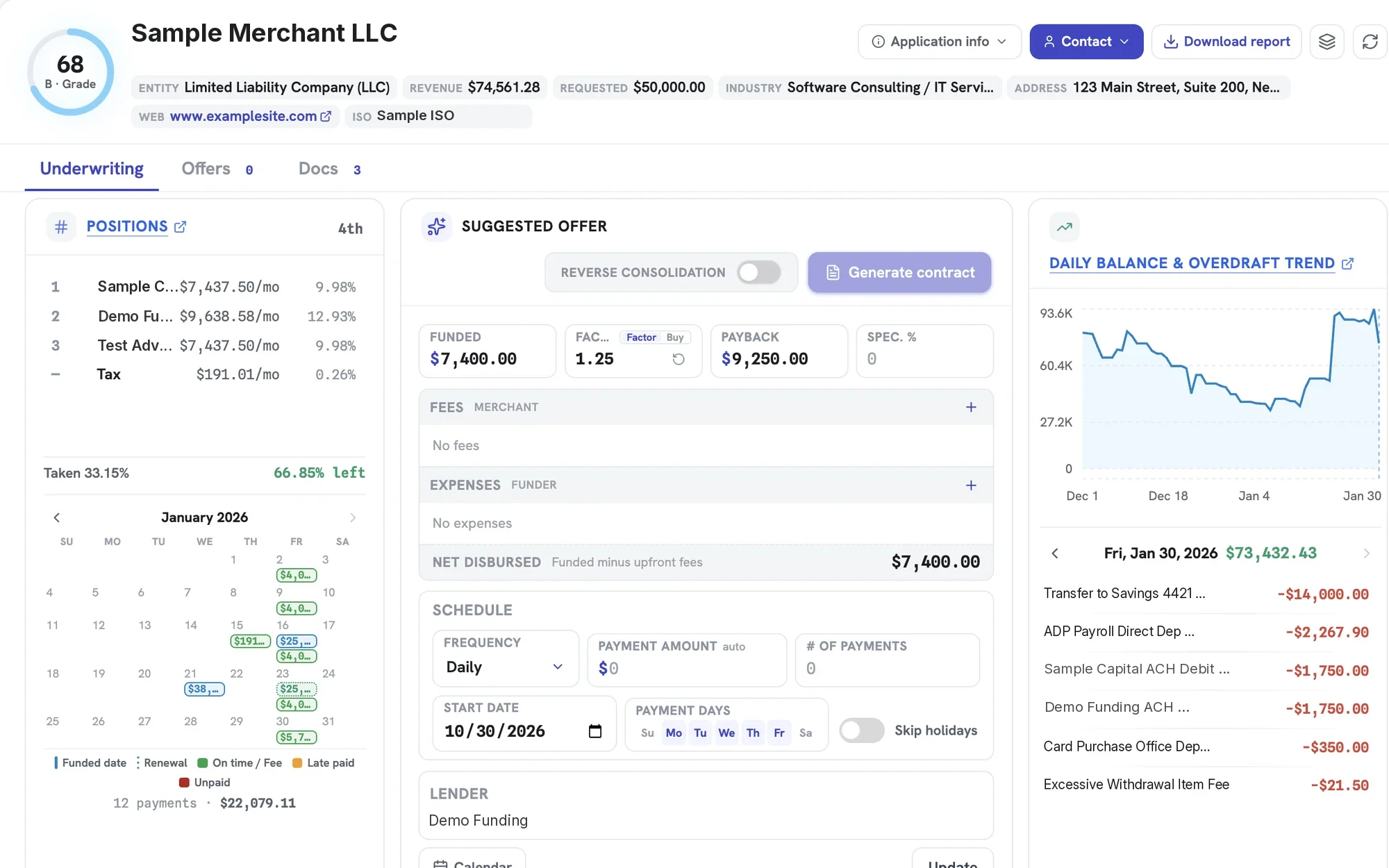
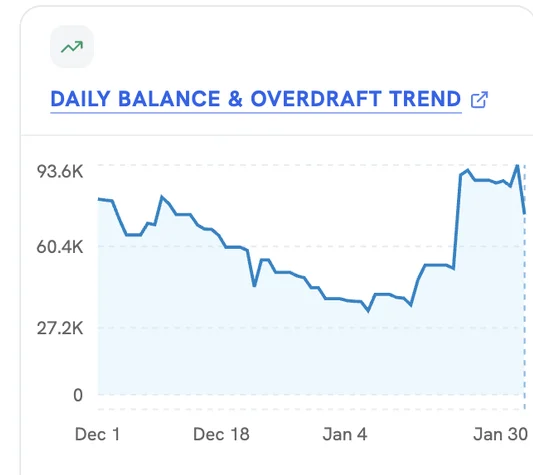
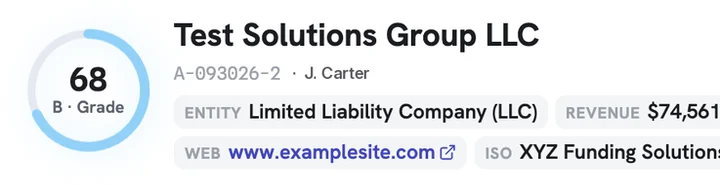
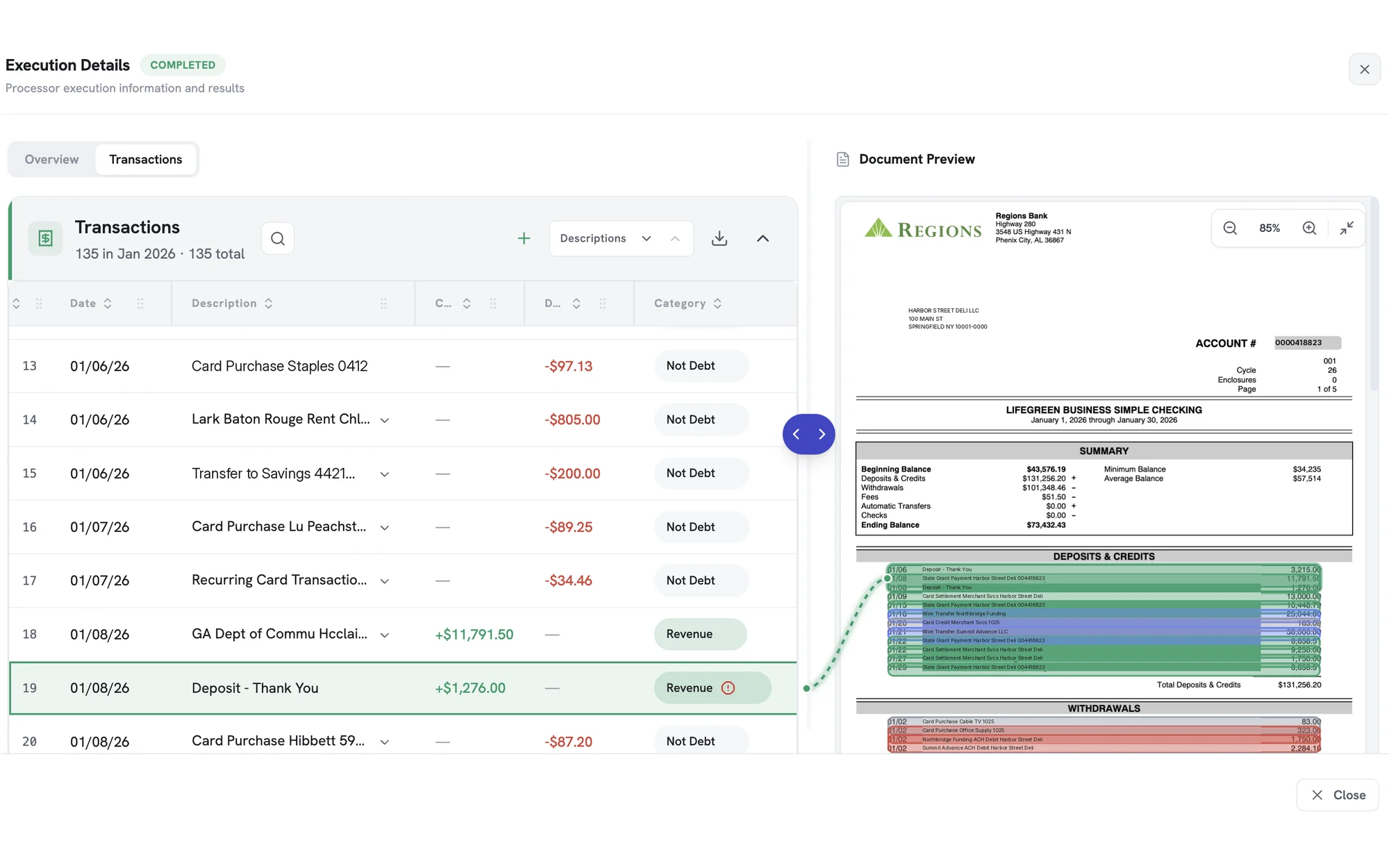
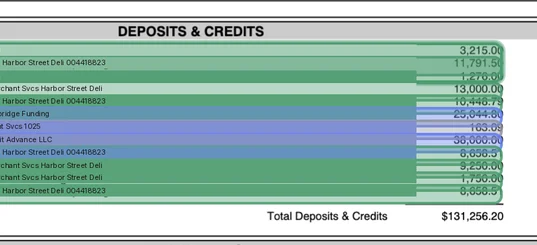
Every parsed transaction is traced back to its line on the bank statement, so you can check the numbers yourself.
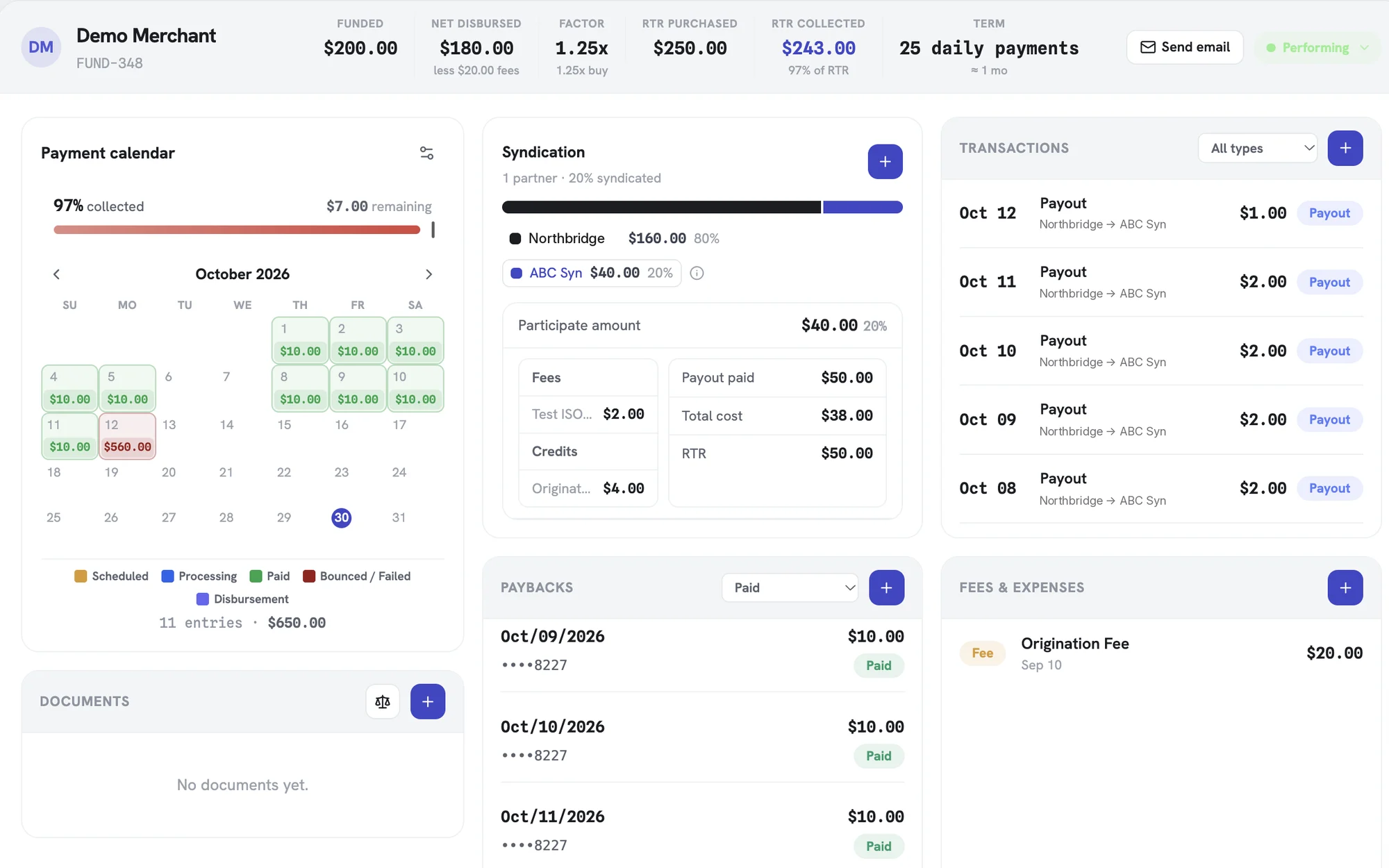
Payment calendar, syndication, paybacks and fees for each deal after it funds.
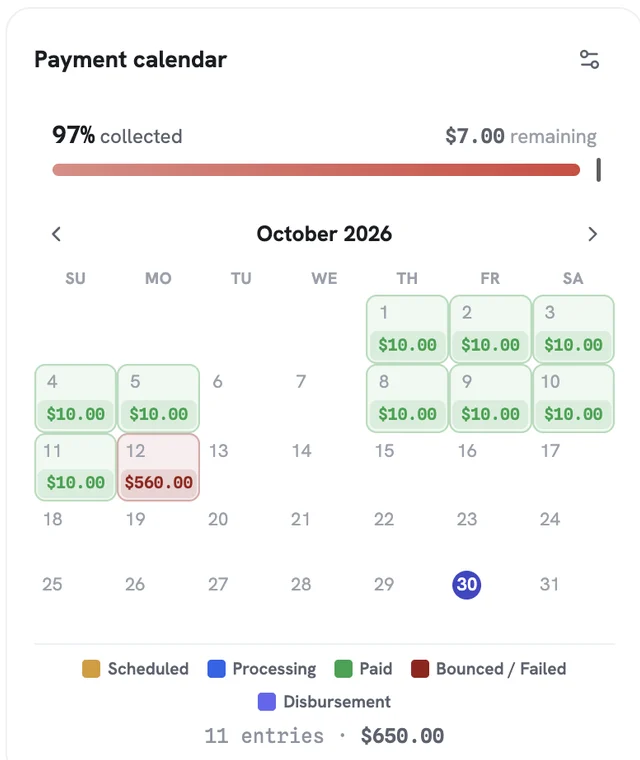
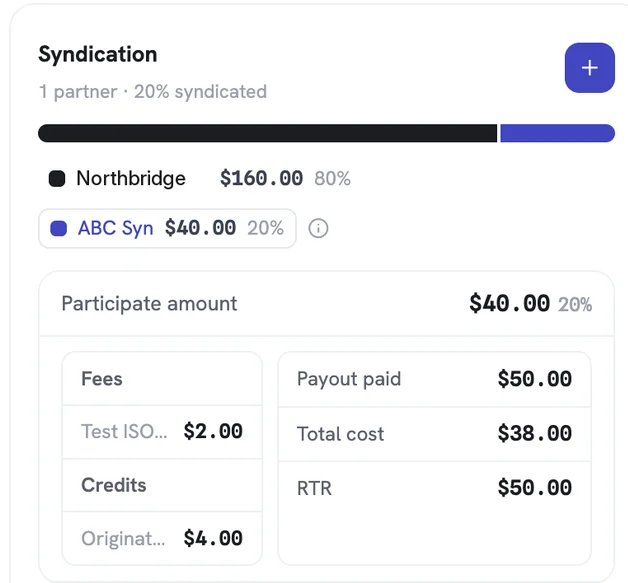
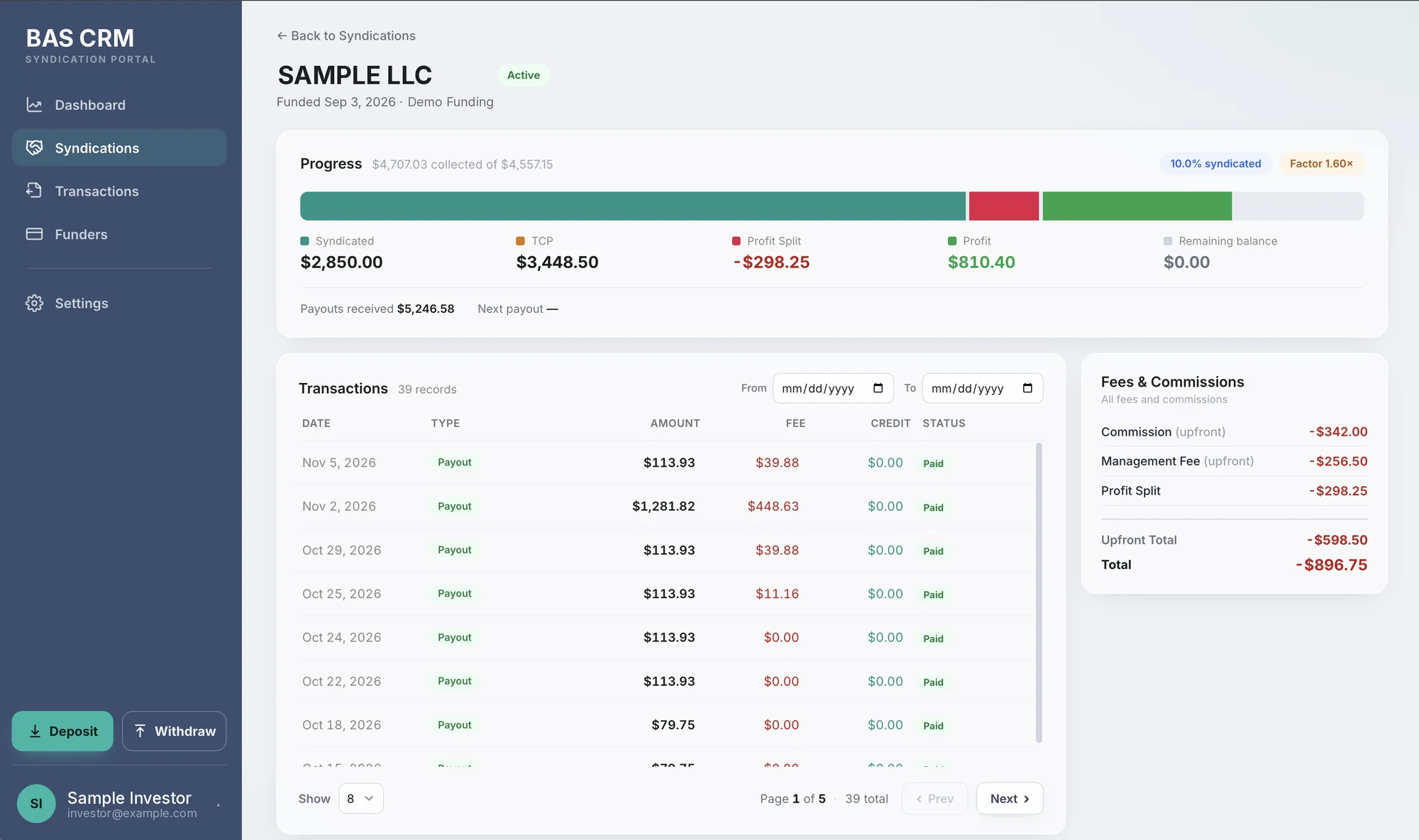
Each syndicator gets their own portal with deal progress, payouts, fees and every transaction.
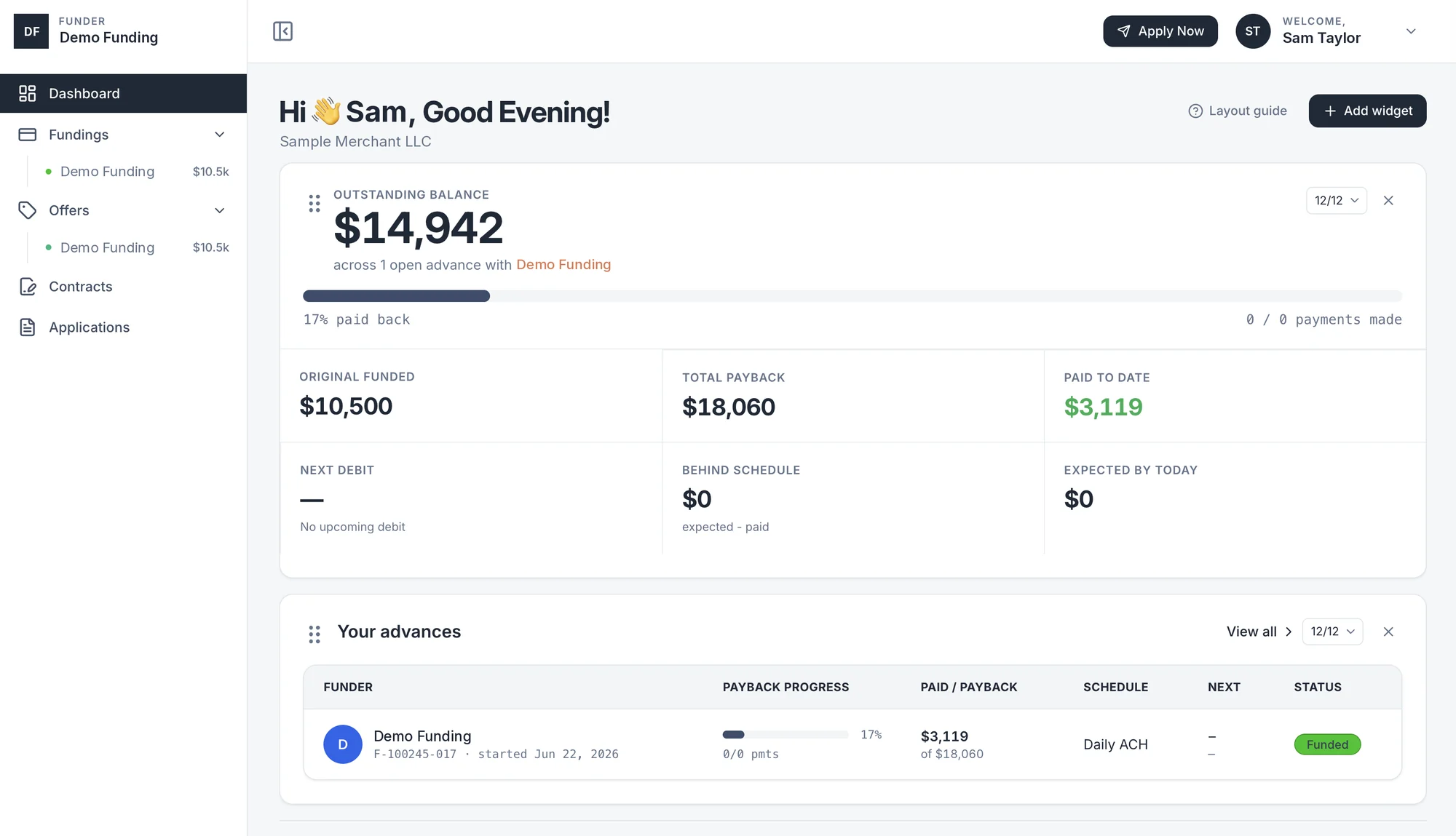
Each merchant gets a portal with their balance, payback progress, contracts and offers, so fewer calls come to your team.
Bank statements are parsed automatically, and every transaction is traced back to its line on the statement.
Each file is scored, graded and matched with an offer using the criteria you set in your account.
After funding, the payment calendar, syndication, paybacks and fees are tracked on every deal.
Bank statements read automatically, no retyping.
Every file scored against your own funding box.
Matched with an offer from the criteria you set.
Each parsed transaction traced to its statement line.
Every funded deal’s payments, day by day.
Participants, paybacks and fees on each deal.
Book a demo and we’ll walk you through it.
BAS CRM works with these payment, banking, underwriting and communication tools, and checks the public records funders rely on.
Product names and trademarks belong to their owners. Public-record sources are data sources BAS CRM checks, not partners.
Bookkeeping is billed by the hour, and your rate drops as your weekly hours grow. Tax and business services are priced per service.
| 40+ hours On site option free of charge | $60 |
| 30–39 hours | $63 |
| 25–29 hours | $65 |
| 20–24 hours | $70 |
| 15–19 hours | $75 |
| 11–14 hours | $80 |
| 6–10 hours | $85 |
| 0–5 hours | $90 |
| Review / manager hours | $120 |
| Sales tax, bookkeeping client | $175 |
| Sales tax, non-bookkeeping client | $325 |
| Business year-end taxes | from $1,950 |
| Business year-end taxes, 1 partner | from $2,350 |
| Each additional partner | from $275 |
| Personal year-end taxes | from $350 |
| Full-year write-up (previous year) | from $1,900 |
| Partner / manager consulting, hourly | from $350 / $275 |
| State and federal notices / audit, hourly | $115 |
| Corporation formation | from $600 |
| Cash analysis | $2,000 ($1,000–$4,000) |
“From” prices are starting prices. The final price depends on the size and complexity of the work.
Book a call and we’ll review your book and tell you which services and hours fit.
MCA industry insight, bookkeeping and accounting advice, and plain-English tax guides from the BAS team.
MCA insight, bookkeeping tips and tax guides from the BAS team, straight to your inbox.
Audits do not create problems. They reveal them. This distinction matters more than most funders realize, because the panic that accompanies audit season rarely stems from the auditor’s requests. It stems from the gap between the order a company believes it has and the order it actually keeps.
A funder in Chicago learned this one March when his auditor sent a routine request: ten funded deals, their supporting documents, and the corresponding bank activity. He expected the ask. What he did not expect was how long it took his team to assemble everything. Three merchant applications were missing pages. One deal had two payoff letters saved under different names. A renewal had been recorded without a clear link to the original advance. Nothing was catastrophic, but everything took longer than it should have. He looked around the conference table and saw the same realization on everyone’s face. The audit had not made the mess. It had simply exposed it.
This is how most MCA shops encounter audit season. The good news is that readiness does not require special software or a large finance team. It requires discipline in daily habits long before the auditor appears.
Reconciliation of RTR balances is a natural starting point. Many funders assume their balances are accurate because the CRM shows a clean number. In practice, reconciliation depends on tight alignment between the CRM, processor reports, and the accounting ledger. If any of these sources lag by even a few days, mismatches will begin to form. A merchant’s payment might fail on Friday, get resubmitted Monday, and post to the ledger Tuesday. Without consistent reconciliation, the funder sees one story while the auditor sees another. A steady daily or weekly routine of matching processor deposits to merchant balances prevents these gaps from widening into explanations nobody wants to give.
Wire activity demands the same attention. Funding wires, collections wires, reserve transfers, syndicator payouts: each touches different parts of the books. A company that does not document these movements as they occur eventually faces a stack of transactions labeled simply “funding” or “payout,” requiring backward reconstruction that consumes hours. One funder discovered that three wires recorded as syndicator payouts were actually renewals paid in error from the wrong account. Small mistakes, but they created lengthy explanations. A simple internal rule that every wire must carry an attached note and supporting detail at the moment it is sent eliminates that uncertainty before it takes root.
Syndicator splits introduce their own complications. When multiple investors participate in a deal, the funder becomes responsible for tracking each share of principal and returns with precision. Problems arise when the initial split is entered inconsistently, or when renewals process without correctly updating the syndicator’s residual balance. During audits, these discrepancies stand out immediately. One company maintained a separate spreadsheet for syndicator participation because their CRM could not display multi-party splits cleanly. The spreadsheet worked until the team member who managed it went on leave. No one else understood the logic. The audit revealed not a major error, but a process built around one person instead of a system. Auditors look for evidence that the company can reproduce its numbers without depending on any single employee.
Default classification is another area where funders frequently fall behind. A delayed payment can linger in active status for weeks because no one wants to mark it as default prematurely. But when the auditor reviews the file, unclear classification becomes a problem. The funder must show when the merchant became delinquent, what outreach occurred, and how the remaining balance is being treated. A restaurant in Texas once stopped paying for three weeks. The collections notes lived in the account manager’s personal notebook instead of the CRM. The auditor flagged the discrepancy because the books still showed the merchant as active. Proper classification helps the funder understand portfolio behavior and demonstrates to the auditor a clear, consistent process.
Underlying all of this is documentation quality. Merchant applications should align with the funded terms. Bank statements should be complete. Contracts should be saved with names that make sense across the team, not names that make sense only to the person who downloaded them. Renewals should show the payoff, the redeployment of capital, and the new terms in one complete package. Missing pages, duplicated files, and vague naming conventions do not cause financial harm directly, but they slow the audit and weaken the impression of professionalism. A well-organized document library is one of the simplest ways to make an audit move smoothly.
Internal controls play a larger role than many funders expect. An auditor does not expect a small MCA company to maintain the same segregation of duties as a large financial institution, but they do expect clear responsibilities. If the same person initiates payments, reconciles bank accounts, and approves adjustments, the company has created unnecessary risk. Even a small team can separate duties by establishing checkpoints. One person prepares the payout. Another reviews it. A third reconciles the bank activity. These controls do not exist to catch wrongdoing. They exist to make wrongdoing difficult in the first place.
The habits that lead to a smooth audit cannot be assembled the month before it begins. They must be woven into ordinary operations throughout the year. A weekly ten-minute review of aging reports reveals shifts early. A monthly check of syndicator exposure confirms whether splits were entered correctly. A simple rule that every merchant contact must be logged before the end of the day prevents confusion when questions arise later. At Better Accounting Solutions, we encourage clients to think of these routines not as audit preparation but as the proper way to run a business. The audit simply confirms what healthy habits have already produced.
Audit readiness benefits the team in ways that extend beyond the audit itself. When systems are disorganized, staff spend more time defending their work than improving it. When information scatters across folders and inboxes, no one feels fully in control. A clean, disciplined financial environment reduces stress for everyone. New employees learn what good work looks like because the system teaches them. Managers spend less time searching for answers and more time interpreting what the answers mean.
Audits also shape how capital partners view the company. Syndicators and institutional investors frequently request audit reports before deepening their commitments. A clean audit signals stability and transparency. A messy one does not automatically disqualify a funder, but it raises questions that take time and credibility to resolve. A funder who treats the audit as part of their annual rhythm presents a stronger case to partners than one who treats it as an interruption to be survived.
Many funders approach audits with dread. The dread usually fades once the process begins, because audits do not invent problems. They surface them. And once surfaced, problems can be fixed. Funders who treat findings as guidance rather than criticism tend to grow faster. They catch issues earlier. They build stronger infrastructure. They develop habits that improve performance year-round rather than only during preparation season.
In an industry where capital moves quickly and margins shift without warning, reliability becomes a competitive strength. A company with clean books makes better decisions. It moves faster because it spends less time reconciling its own history. It communicates more clearly with partners because its numbers are organized and honest. Audit readiness has less to do with pleasing an auditor and more to do with strengthening the structure that supports every advance.
The calmest funders during audit season are not the ones with perfect portfolios. They are the ones who built habits long before the auditor arrived. They did the small things consistently. They documented what they did. They noticed discrepancies and addressed them. Audit season becomes a checkpoint instead of a crisis. And the company emerges stronger each year because clarity became part of how it operates.
David Roitblat is the founder and CEO of Better Accounting Solutions, an accounting firm based in New York City, and a leading authority in specialized accounting for merchant cash advance companies. To connect with David or schedule a call about working with Better Accounting Solutions, email [email protected].
We’re so happy you found this article informative! Head back to our blog page to learn more tips, tricks, and guidance on accounting to maximize your business’s growth and development.
Book a call or send a message. We reply within one business day.
Tell us about your shop and we’ll reply with next steps.
Effective date: April 23, 2021
Better Accounting Solutions ("us", "we", or "our") operates the https://betteraccountingsolutions.com website (hereinafter referred to as the "Service").
This page informs you of our policies regarding the collection, use, and disclosure of personal data when you use our Service and the choices you have associated with that data.
We use your data to provide and improve the Service. By using the Service, you agree to the collection and use of information in accordance with this policy. Unless otherwise defined in this Privacy Policy, the terms used in this Privacy Policy have the same meanings as in our Terms and Conditions, accessible from https://betteraccountingsolutions.com
We collect several different types of information for various purposes to provide and improve our Service to you.
We do not sell your data under any circumstance.
While using our Service, we may ask you to provide us with certain personally identifiable information that can be used to contact or identify you ("Personal Data"). Personally identifiable information may include, but is not limited to:
We may also collect information on how the Service is accessed and used ("Usage Data"). This Usage Data may include information such as your computer's Internet Protocol address (e.g. IP address), browser type, browser version, the pages of our Service that you visit, the time and date of your visit, the time spent on those pages, unique device identifiers and other diagnostic data.
We use cookies and similar tracking technologies to track the activity on our Service and hold certain information.
Cookies are files with small amount of data which may include an anonymous unique identifier. Cookies are sent to your browser from a website and stored on your device. Tracking technologies also used are beacons, tags, and scripts to collect and track information and to improve and analyze our Service.
You can instruct your browser to refuse all cookies or to indicate when a cookie is being sent. However, if you do not accept cookies, you may not be able to use some portions of our Service. You can learn more how to manage cookies in the Browser Cookies Guide.
Examples of Cookies we use:
Better Accounting Solutions uses the collected data for various purposes:
Your information, including Personal Data, may be transferred to — and maintained on — computers located outside of your state, province, country or other governmental jurisdiction where the data protection laws may differ than those from your jurisdiction.
If you are located outside United States and choose to provide information to us, please note that we transfer the data, including Personal Data, to United States and process it there.
Your consent to this Privacy Policy followed by your submission of such information represents your agreement to that transfer.
Better Accounting Solutions will take all steps reasonably necessary to ensure that your data is treated securely and in accordance with this Privacy Policy and no transfer of your Personal Data will take place to an organization or a country unless there are adequate controls in place including the security of your data and other personal information.
Better Accounting Solutions may disclose your Personal Data in the good faith belief that such action is necessary to:
The security of your data is important to us, but remember that no method of transmission over the Internet, or method of electronic storage is 100% secure. While we strive to use commercially acceptable means to protect your Personal Data, we cannot guarantee its absolute security.
We may employ third party companies and individuals to facilitate our Service ("Service Providers"), to provide the Service on our behalf, to perform Service-related services or to assist us in analyzing how our Service is used.
These third parties have access to your Personal Data only to perform these tasks on our behalf and are obligated not to disclose or use it for any other purpose.
Our Service may contain links to other sites that are not operated by us. If you click on a third party link, you will be directed to that third party's site. We strongly advise you to review the Privacy Policy of every site you visit.
We have no control over and assume no responsibility for the content, privacy policies or practices of any third party sites or services.
Our Service does not address anyone under the age of 18 ("Children").
We do not knowingly collect personally identifiable information from anyone under the age of 18. If you are a parent or guardian and you are aware that your Children has provided us with Personal Data, please contact us. If we become aware that we have collected Personal Data from children without verification of parental consent, we take steps to remove that information from our servers.
We may update our Privacy Policy from time to time. We will notify you of any changes by posting the new Privacy Policy on this page.
We will let you know via email and/or a prominent notice on our Service, prior to the change becoming effective and update the "effective date" at the top of this Privacy Policy.
You are advised to review this Privacy Policy periodically for any changes. Changes to this Privacy Policy are effective when they are posted on this page.
If you have any questions about this Privacy Policy, please contact us: